
"Colombia MAM"
200 article(s) found

Introduction to Fine Coffee-- Colombian Fine Coffee characteristics Colombian Coffee
The Colombian Coffee producers Association (Federacion Nacional de Cafeteos de Clolmbia), known as [FNC] for short in the industry, introduced the two main varieties of Colombian coffee, Kaddura and Colombia. Kaddura, which was introduced from Brazil in the 1960s, now accounts for 45-50% of the country's output and has replaced the earliest Tibica. A new variety with the same name as Colombia [Colombia]

Colombian coffee beans Arabica coffee beans Colombian flavor
Introduction] the Colombian Coffee producers Association (Federacion Nacional de Cafeteos de Clolmbia), known as [FNC] for short in the industry, introduced the two main varieties of Colombian coffee, Kaddura and Colombia. The Coffee producers Association of Colombia (Federacion Nacional de Cafeteos de Clolmbia), or [FNC] for short in the industry, introduced

Colombian coffee has excellent conditions for the growth of boutique coffee.
The Colombian Coffee producers Association (Federacion Nacional de Cafeteos de Clolmbia), known as [FNC] for short in the industry, introduced the two main varieties of Colombian coffee, Kaddura and Colombia. Kaddura, which was introduced from Brazil in the 1960s, now accounts for 45-50% of the country's output and has replaced the earliest Tibica. A new variety with the same name as Colombia [Colombia]
The two main varieties of Colombian coffee Kaddura and Colombian production
The Colombian Coffee producers Association (Federacion Nacional de Cafeteos de Clolmbia), known as [FNC] for short in the industry, introduced the two main varieties of Colombian coffee, Kaddura and Colombia. Kaddura, which was introduced from Brazil in the 1960s, now accounts for 45-50% of the country's output and has replaced the earliest Tibica. A new breed with the same name as Colombia [Goran]
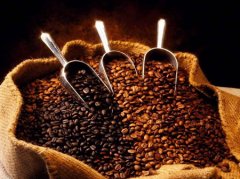
Introduction of Colombian boutique coffee Colombian coffee taste Colombian coffee characteristics brother
The Colombian Coffee producers Association (Federacion Nacional de Cafeteos de Clolmbia), known as [FNC] for short in the industry, introduced the two main varieties of Colombian coffee, Kaddura and Colombia. Kaddura, which was introduced from Brazil in the 1960s, now accounts for 45-50% of the country's output and has replaced the earliest Tibica. A new breed with the same name as Colombia [Columby]

Introduction to Colombian Fine Coffee is Colombian coffee good? Characteristics of Colombian Coffee
The Colombian Coffee producers Association (Federacion Nacional de Cafeteos de Clolmbia), known as [FNC] for short in the industry, introduced the two main varieties of Colombian coffee, Kaddura and Colombia. Kaddura, which was introduced from Brazil in the 1960s, now accounts for 45-50% of the country's output and has replaced the earliest Tibica. A new breed with the same name as Colombia [Columby]

Columbia Coffee producers Association-- introduction to the quality characteristics of Flavor description treatment
Colombian Coffee Bean in 1824, the Colombian and Peruvian coalition forces defeated the Spanish colonial army, and Peru gained independence. During the war with Bolivar's army in Peru, Santander took over as president and presided over the affairs of Colombia. Santander advocated the establishment of a federal regime and United local forces against Bolivar's political proposition of unity and unity. Within the Colombian Congress and government

How do you drink Colombian Medellin coffee? What are the characteristics of Colombian coffee beans?
Professional coffee knowledge exchange more coffee bean information please follow the coffee workshop (Wechat official account cafe_style) drink water to think of the source, drinking coffee should also know where it comes from! Most of the coffee beans in circulation on the market are distinguished by origin. Different regions, different climates, different soils, different coffee tree species, and different processing methods of raw coffee beans will make the taste of coffee beans different.
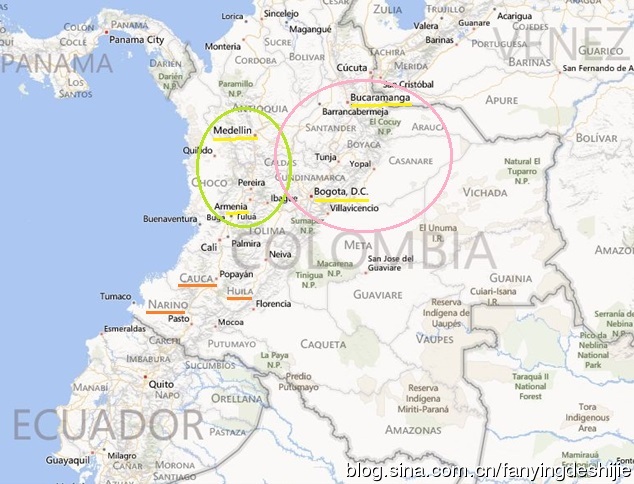
An introduction to the coffee-producing areas of the world; a detailed introduction of the coffee-producing country of Colombia
Photo 1: traditional producing areas: central MAM Eastern producing areas common boutique producing areas: Huila,Narino,Cauca in the 16th century, Jesus missionaries brought coffee to Colombia. Colombian coffee went abroad for the first time in 1835, when the export volume was only 2000 bags. Today, Colombia exports millions of coffee. Although in the ranking of total global coffee production,

Colombian Supamo Coffee how to drink _ Colombian Supamo cooking powder ratio recommended
Professional coffee knowledge exchange more coffee bean information please follow coffee workshop (Wechat official account cafe_style) Colombian Supamo coffee beans (origin: South American Colombia) Colombian coffee is one of the few original coffee sold in the world under the name of the country, the most important producing areas in Colombia are referred to as MAM (Medellin, Armen).

The History of Coffee: Colombian Coffee of good quality
For more information on coffee beans, follow the Coffee Workshop (official Wechat account cafe_style) in 1808, coffee was first introduced to Colombia by a priest from the French Antilles via Venezuela. Today, the country is the second largest producer after Brazil, with an annual output of 13 million bags of 60 kg each.

A brief introduction to the market price of Colombian boutique coffee beans with mild taste
But Bucaramanca in the northeastern province of Santander is known for its low sour and bitter flavor, similar to Indonesia's Mantenin flavor, probably related to an altitude of only 960m (low altitude, low acidity, always good). Bucamanca's beans are very interesting, unlike the familiar Colombian flavor. Although they belong to soft beans, they are full-bodied and do not taste like [MAM] beans.

A brief introduction to the History and Culture of the Origin and Development of Colombian Coffee
Colombia is fortunate to have Atlantic and Pacific ports, which helps to reduce the cost of transporting coffee. In South America, she is the only country with this condition. The main production areas of Colombia are in the central and eastern mountains. The most important plantations along the central mountains are located in Medellin, Almenia and Manisales. In the above three areas

A brief introduction to the Market Price of Colombian Fine Coffee Bean varieties with High altitude
But Bucaramanca in the northeastern province of Santander is known for its low sour and bitter flavor, similar to Indonesia's Mantenin flavor, probably related to an altitude of only 960m (low altitude, low acidity, always good). Bucamanca's beans are very interesting, unlike the familiar Colombian flavor. Although they belong to soft beans, they are full-bodied and do not taste like [MAM] beans.

A brief introduction to the History and Culture of the Origin and Development of Colombian Fine Coffee beans at High altitude
When buying Costa Rican beans, don't think that the highest [Supermo] of 17-18 mesh must be delicious. Be sure to check which producing area the beans come from. If the producing area is not specified, it is mostly commercial beans of [MAM], because the southern boutique producing areas will indicate the provinces and place names, so as to distinguish them. Colombian Coffee producers Association (Federacion Nacional de Cafeteos de Clolm

Which is the best coffee in Colombia, Medellin Supremo or Jamaica Blue Mountain Coffee?
Three of Colombia's most outstanding coffees-Medellin, Armenia and Manisales-are all named after the regions where they are grown and are often sold together to simplify the transfer of large coffee contracts. The acronym for these coffee is MAM. Cauca currently covers an area of about 95000 hectares, with 93000

Colombia Coffee Plantation with Green Tea Flavor
Lumbia is rich in topography, low in latitude and high in altitude, and has excellent conditions for fine coffee growth. Costa Rica's coffee region is located between 3 and 8 degrees north latitude, belonging to the low latitude coffee belt, which can be harvested twice a year, and ripe coffee can be harvested almost every month from south to north. Large, entrepreneurial coffee farms are located in the central and northern regions and are the main commercial bean producing areas, including the historic plum in the central region.

Pure Colombia Coffee Flavor Introduction Fin Manor
German imports account for 25 per cent of Colombia's total exports, which also reflects the country's excellent quality. Coffee grades are divided into three grades: Supreme (Supremo), Excellent (Excelso) and Excellent (UGQ, Unusual Good Quality). Klauss coffee in the excellent grade is exported to Germany, and Europa coffee is exported to Nordic countries. Most coffee.
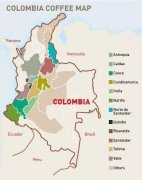
Columbia Coffee History, Climate, Environment, Coffee Flavor
Colombian coffee beans grow at high altitudes and are carefully cared for in the shade of banana and rubber trees. This kind of coffee is one of the best in the world. Rich, mellow, perfectly balanced. Colombia's arid mountains and well-drained, fertile volcanic soil provide ideal conditions for growing quality coffee. Coffee in Colombia is mainly grown in two regions, one

A farm where coffee is grown in Colombia.
Colombian coffee farmers can sell all their products to the Coffee Management Association at an official low price, or to exporters, who may offer a higher price or no bid at all. In fact, the Coffee Management Association (FNC) controls exports to Europe, while coffee to the United States is mainly exported through private exporters. However, all exports are subject to restrictions